Quick Answer
An orthopedic pillow for sleep apnea is a specialized ergonomic cushion designed to facilitate better head and neck positioning. It is most suitable for side sleepers and individuals using CPAP machines who struggle with mask displacement. However, its key limitation is that it is a comfort aid, not a medical device; it cannot treat the underlying airway obstruction of sleep apnea.
What Is an Orthopedic Pillow for Sleep Apnea?
In 2026, these pillows are categorized as ergonomic sleep accessories. Most are constructed from high-density memory foam or cooling hybrids. They are designed to be used in conjunction with existing medical treatments to improve the user’s sleep experience.
While they target a wide range of users, they are specifically engineered for:
- Side Sleepers: Who need a specific loft to keep the spine neutral.
- Back Sleepers: Who require cervical support to prevent the head from tilting too far forward.
- Medical Device Users: Those wearing masks who need “cut-out” sections to prevent air leaks.
Key Features and Design
Modern ergonomic pillows focus on structural integrity and temperature regulation:
- Contoured Shape: Features a central cradle for the head and raised edges for cervical support.
- Pressure-Relieving Material: Utilizes adaptive memory foam, perforated latex, or cooling gel-infused layers.
- CPAP Cut-outs: Many models include recessed side areas to accommodate tubing and masks.
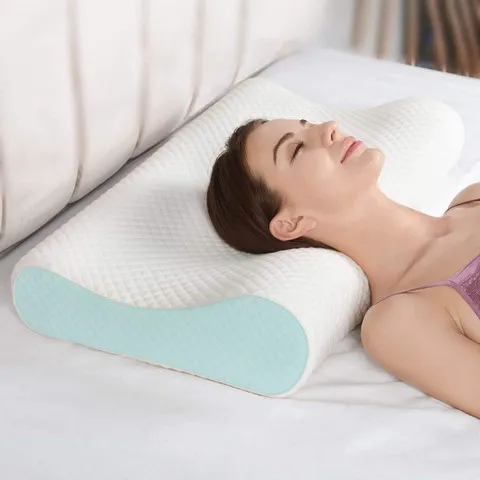
- Breathability: Advanced 2026 models often feature phase-change materials (PCM) to regulate surface temperature.
What It Claims to Improve
The primary goal of an orthopedic pillow for sleep apnea is to optimize the sleeping environment rather than provide a clinical cure. Expected improvements include:
- Enhanced Sleep Comfort: Reducing the need to “re-fluff” the pillow during the night.
- Improved Neck Alignment: Keeping the cervical spine in a neutral position to reduce morning tension.
- Reduced Stiffness: Minimizing physical discomfort caused by improper head elevation.
Real-World User Feedback
User experiences vary significantly based on body type and previous sleeping habits:
- Positive: Users often report a reduction in neck strain and better mask seal retention for CPAP users.
- Neutral: Many report a mandatory “break-in” period of 7 to 14 days before the foam feels comfortable.
- Negative: Common complaints include the foam being too firm for light-weight individuals or a temporary “off-gassing” smell from the memory foam.

Limitations and Considerations
It is critical to manage expectations when using an orthopedic pillow for sleep apnea.
- Not a Treatment: A pillow does not replace medical intervention, such as surgery or PAP therapy.
- Position Specificity: A pillow designed for side sleepers may cause significant discomfort for those who roll onto their stomachs.
- Personal Preference: Foam density is subjective; what provides “support” for one person may feel “too hard” for another.
Who It May Be Suitable For
This type of pillow is best suited for:
- Side Sleepers: Who require consistent height between their shoulder and ear.
- Ergonomic Enthusiasts: People exploring ways to optimize their sleep hygiene through better posture.
- CPAP Users: Individuals seeking to reduce mask interference during the night.
FAQ Section
Are ergonomic pillows worth it?
Whether an ergonomic pillow is worth the investment depends on your specific physical needs and sleep posture. For individuals experiencing chronic neck stiffness or those who require specific cut-outs for medical equipment, the specialized support can significantly improve nightly comfort.
Do memory foam pillows really help with sleep comfort?
Memory foam provides “contouring,” which redistributes weight away from pressure points like the ears and jaw. While many find this helpful for staying in one position longer, those who prefer a traditional “bouncy” feel may find memory foam too restrictive.
How long does it take to adjust to a new pillow?
The typical adjustment period for an orthopedic pillow for sleep apnea is between one and two weeks. Because the pillow forces your neck into a specific alignment, your muscles may feel slight soreness initially as they adapt to the new posture.
Are there downsides to cervical pillows?
The primary downsides include limited versatility, as they are often designed for only one sleeping position. Additionally, high-quality orthopedic pillows are generally more expensive and heavier than standard down or polyester-fill options.
How often should you replace a pillow?
Most experts recommend replacing a memory foam orthopedic pillow every 18 to 36 months. Over time, the cellular structure of the foam breaks down, leading to a loss of the structural support required to maintain proper alignment.
Verdict
An orthopedic pillow for sleep apnea is a valuable supportive tool for enhancing sleep posture and equipment comfort in 2026. While it offers clear benefits for neck alignment and CPAP compliance, it should be viewed as a supplemental comfort item. Always consult a healthcare professional for the clinical management of sleep-disordered breathing.