Quick Answer
A beauty sleep pillow is an ergonomic, contoured sleep aid designed to stabilize the head and neck while minimizing facial compression. It primarily suits side and back sleepers seeking to improve nighttime comfort and spinal alignment. However, its effectiveness is highly subjective; the firm structure and specific contouring may feel restrictive or uncomfortable for those who shift positions frequently or prefer traditional plush pillows.
What Is a Beauty Sleep Pillow?
A beauty sleep pillow is a specialized cervical or ergonomic pillow typically crafted from high-density memory foam. Unlike traditional rectangular pillows, it features a distinct “butterfly” or “contoured” shape.
- Type: Primarily memory foam with ergonomic bracing.
- How it’s used: The user places their neck on the raised cervical roll while the head rests in a central cradle, often featuring side cut-outs to reduce pressure on the face.
- Target Audience: It is specifically designed for side sleepers and back sleepers who want to maintain a neutral spine position throughout the night.
Key Features and Design
Current 2026 models focus on material breathability and structural integrity. Common design elements include:
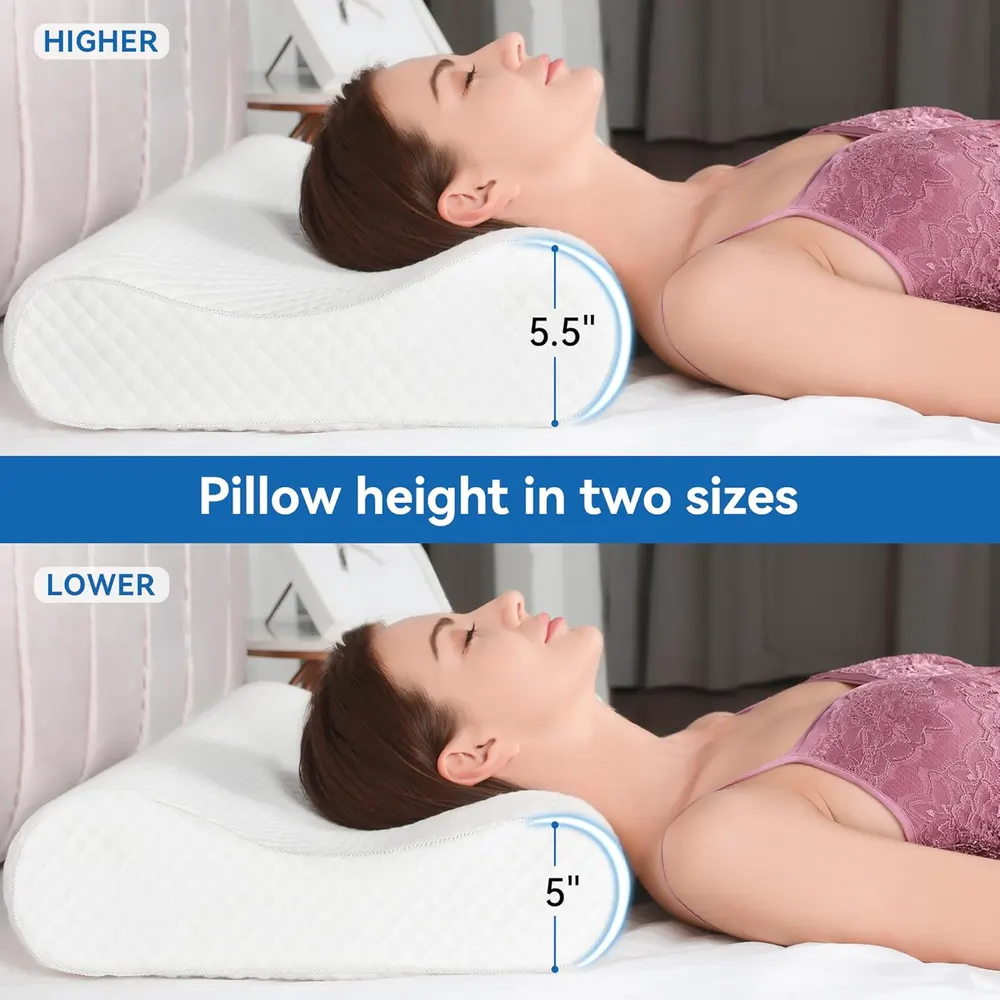
- Ergonomic Contour: A central cavity to cradle the head and a raised edge to support the natural curve of the neck (cervical support).
- Advanced Materials: Most use CertiPUR-US certified memory foam or responsive latex to provide a balance of “sink” and support.
- Cooling Technology: Integration of phase-change materials (PCM) or perforated foam channels to enhance airflow and regulate temperature.
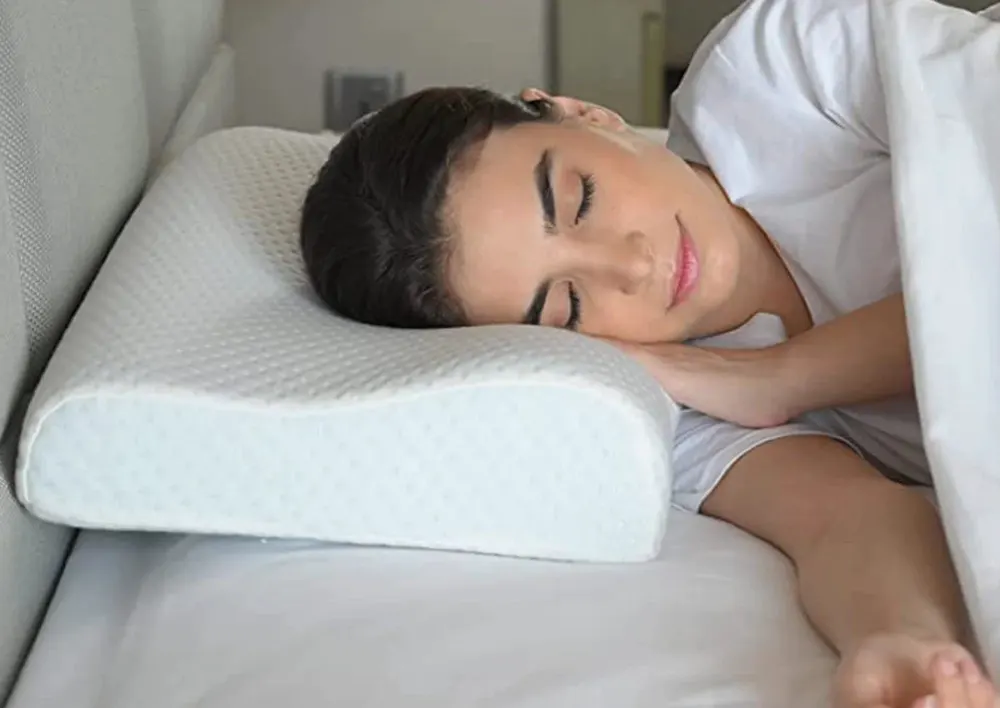
- Pressure-Relief Cut-outs: Recessed side sections intended to reduce skin contact and pressure on the cheeks and jaw.
What It Claims to Improve
While often marketed with aesthetic benefits, the functional claims of these pillows focus on physical ergonomics:
- Enhanced Sleep Comfort: By providing a dedicated space for the head and neck, the pillow aims to reduce the need for constant tossing and turning.
- Improved Neck Alignment: The structural support helps keep the cervical spine in a neutral position relative to the shoulders.
- Reduced Morning Stiffness: Proper support can help minimize the physical strain that leads to general morning discomfort, though it is not a medical cure for chronic pain.
Real-World User Feedback
A review of beauty sleep pillow reviews across major retailers highlights a spectrum of user experiences:
- Positive: Many users report a significant increase in support and appreciate the way the foam holds its shape over time.
- Neutral: A common theme is a “break-in” period; users often report needing 3 to 7 nights to get used to the rigid shape.
- Negative: Some find the memory foam too firm, while others note a temporary “off-gassing” smell common with new foam products.
Limitations and Considerations
It is important to manage expectations when switching to an ergonomic sleep system:
- Position Restrictions: These pillows are rarely suitable for stomach sleepers, as the high loft can cause neck overextension.
- Personal Preference: Pillow “feel” (firm vs. soft) is entirely subjective; what provides support for one may cause pressure points for another.
- No Universal Guarantee: While designed for comfort, an ergonomic pillow is not a guaranteed solution for sleep quality, as many factors—such as mattress type and room temperature—play a role.
Who It May Be Suitable For
- Side Sleepers: The side cut-outs and higher loft accommodate the gap between the ear and the shoulder.
- Back Sleepers: The central cradle prevents the head from tilting awkwardly to the side.
- Ergonomic Enthusiasts: Individuals looking to move away from traditional fiber-fill pillows in favor of structured support.
FAQ Section
Are ergonomic pillows worth it?
Ergonomic pillows can be a worthwhile investment for those who wake up with general neck tension or struggle to find a comfortable position. Their value depends on whether the specific dimensions match your body’s frame and your preferred sleeping posture.
Do memory foam pillows really help with sleep comfort?
Memory foam provides “point elasticity,” meaning it contours to your specific shape to distribute weight evenly. This can improve comfort by reducing pressure buildup on the ears and jaw compared to flatter, traditional pillows.
How long does it take to adjust to a new pillow?
Most people require an adjustment period of approximately one week. Because your muscles and spine have developed “muscle memory” for your old pillow, the new alignment provided by an ergonomic shape may feel unusual initially.
Are there downsides to cervical pillows?
The primary downside is lack of versatility; they are designed for specific positions and offer little flexibility if you want to fold or “scrunch” the pillow. Additionally, the fixed loft height may not fit individuals with very small or very large frames.
How often should you replace a pillow?
High-quality memory foam pillows should typically be replaced every 2 to 3 years. Over time, the foam cells break down and lose their supportive rebound, which can diminish the ergonomic benefits.
Verdict
The beauty sleep pillow is a functional tool for those seeking structured neck support and reduced facial pressure during sleep. While beauty sleep pillow reviews often emphasize the aesthetic “anti-aging” marketing, the real value lies in the memory foam’s ability to stabilize the head and neck. It is an excellent choice for dedicated back or side sleepers, provided they are willing to navigate a brief adjustment period and prefer a firmer, more structured sleep surface.